
Most people return to desk work and normal social life about one to two weeks after a nose job, once the splint comes off and the bruising fades. The nose keeps settling for much longer, though: swelling goes down gradually over many months, and the tip is usually the last part to refine. Here is a realistic week-by-week picture of rhinoplasty recovery, with the caveat that everyone heals differently.
Before surgery: setting up an easier recovery
A smoother recovery starts before the operation. In the weeks beforehand, I ask patients to stop smoking and vaping, avoid medications and supplements that can increase bleeding unless their doctor says otherwise, and plan for someone to drive them home and stay with them the first night.
- Arrange one to two weeks off work, or work from home if your job allows it.
- Have extra pillows ready so you can sleep with your head raised.
- Stock up on soft foods, saline spray and cold compresses.
- Keep the first two weeks free of big events and photos if you can.
Days 1 to 3: the most uncomfortable stretch
You go home the same day with a small external splint on the nose. Some patients also have internal splints or light packing, depending on what was done. Expect a stuffy, blocked feeling, as if you have a heavy cold, along with swelling and bruising around the eyes that often peaks around day two or three.
Discomfort is usually described as pressure rather than sharp pain, and it is managed with the medication prescribed for you. Breathing through your mouth, a dry throat and some light oozing from the nostrils are all common in these first days.
What helps
- Sleep on your back with your head elevated.
- Use cold compresses on the cheeks and around the eyes, not pressed on the nose itself.
- Do not blow your nose. Sneeze with your mouth open.
- Rest, but take short walks around the house to keep your circulation moving.
Days 4 to 7: turning the corner
Most people feel noticeably better by the end of the first week. Bruising starts turning yellow and fading, energy comes back and the congestion slowly eases. Around day six or seven, you return to the office to have the splint removed, and any external stitches if you had an open approach.
When the splint comes off, the nose will look swollen and may seem wider or more upturned than you expected. That is normal at this stage and is not the final shape.
Week 2: back to work and daily life
Many patients return to desk jobs and casual social plans during the second week. Remaining bruising can usually be covered with makeup once the skin has healed. You may still feel some congestion, and the tip can feel stiff or numb.
Keep avoiding anything that could knock the nose, and hold off on strenuous exercise. Light walking is fine.
Weeks 3 to 6: gradual return to activity
Swelling keeps going down, especially across the bridge. Most people look normal to friends and coworkers by now, even if they still notice changes in the mirror. Exercise is usually reintroduced step by step: lighter cardio first, then heavier workouts around the six-week mark if healing is on track. Contact sports and anything that risks a blow to the face wait longer.
Glasses are a common question. Because the bones of the nose need time to set, I usually ask patients to avoid resting heavy glasses on the bridge for several weeks. We go over options such as taping glasses to the forehead or wearing contacts.
Months 2 to 12 and beyond: the slow refinement
This is the part of rhinoplasty recovery that surprises people. The nose looks good to others after a month or two, but subtle swelling, especially in the tip, can take a year or longer to fully resolve. Thicker skin tends to hold swelling longer. The nose may look a little different in the morning than in the evening during this period.
Revision rhinoplasty, or surgery on a nose that has been operated on before, often has a slower course because of scar tissue. To learn how the procedure itself is planned, see our page on rhinoplasty in Beverly Hills.
Risks and when to call the office
Rhinoplasty is a real operation and risks exist, including bleeding, infection, breathing changes, numbness, asymmetry, reactions to anesthesia and the chance that a revision is needed. Your candidacy and the risks that apply to you are discussed in detail at the consultation.
Call the office promptly if you have:
- Bleeding that does not slow down with gentle pressure and rest
- Fever, increasing redness or pain that gets worse instead of better
- A sudden change in the shape of the nose after a bump or fall
- Shortness of breath or chest pain (call 911 for any emergency)
What to expect overall
A simple way to think about it: the first week is about rest, weeks two to six are about protecting the nose while getting back to normal life, and the months after that are about patience while the final shape appears. Follow-up visits let us check how you are healing at each stage, so keep them even if you feel fine.
Frequently asked questions
How long does it take to recover from rhinoplasty?
Most people feel ready for work and social plans in one to two weeks and return to full exercise around six weeks. Final refinement of the shape, especially the tip, can take a year or more.
When can I sleep on my side after a nose job?
I generally recommend sleeping on your back with your head raised for at least the first couple of weeks. We will tell you at your follow-up when it is reasonable to change positions.
Is a nose job painful?
Most patients describe pressure, congestion and a headache-like feeling more than sharp pain. Discomfort is usually highest in the first few days and is managed with prescribed medication. Everyone’s experience is different.
When will I see my final rhinoplasty results?
You will see a clear change once the splint comes off, but the nose continues to refine for many months. Judging the result too early, before the swelling settles, often leads to unnecessary worry.
Does an open or closed rhinoplasty change recovery?
An open approach leaves a small incision under the tip that needs stitches removed and can mean slightly more tip swelling. The right approach depends on your anatomy and goals, which we decide together at the consultation.
Call (310) 275-1662 or book a consultation at dr-smiley.com.
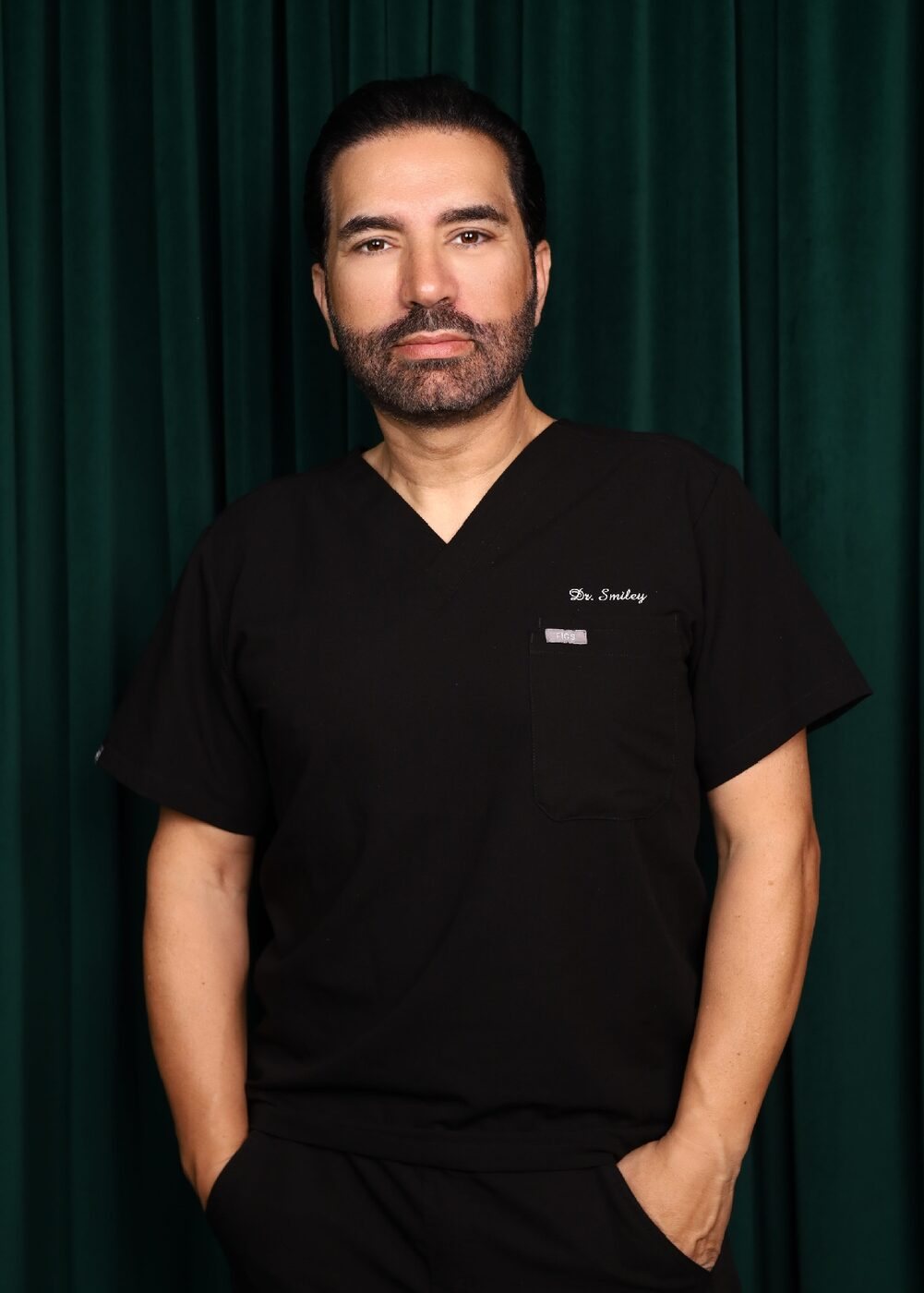
Dr. Tarick Smiley, MD
Board-certified plastic surgeon in Beverly Hills with more than 20,000 procedures performed since entering private practice in 2001.